
While BCAAs demonstrate potential benefits in situations like resistance training and muscle preservation during dieting, their advantages may not be notably pronounced in the context of endurance exercises. The best way to describe branched-chain amino acids (BCAAs) is as a combination of three out of the nine essential amino acids. Valine, leucine, and isoleucine, the three BCAAs, cannot be synthesized by the body on its own (142). These amino acids collectively constitute one-third of muscle proteins and play a pivotal role in the metabolism of skeletal muscle due to their distinctive properties (143).
Eating the right nutrients soon after you exercise can help your body get this done faster. Muscle fibers stretch and contract during exercise, causing tiny muscle tears. If you’ve ever felt sore after a workout, you’ve experienced this firsthand.
It’s important to restore energy with Carbohydrates because energy is needed for the brain, body, and to help fuel muscle recovery. Carbohydrates are also Protein sparing, meaning that if Carbohydrate consumption is inadequate, then your body could use Protein for energy. Both of these processes are a natural response to virtually every type of physical activity. Fortunately, there are key nutritional practices that can help the body rebuild and recover. In order to help maximize support of your workout, all active individuals and athletes should aim to consume a combination of Protein plus Carbohydrates after physical activity, or during what is commonly called the post-workout period. Let’s take a closer look at how Protein helps to support muscle recovery and how Carbohydrates help to restore energy.
Home Food Safety
Nevertheless, it remains unclear whether these effects of creatine supplementation translate into enhanced athletic performance. A meta-analysis examining the impact of creatine supplementation on upper and lower extremity performance revealed a noticeable increase in strength for both extremities (128). Notably, performance improvement was observed in individuals following a creatine supplementation program, particularly in conjunction with resistance training. This effect was particularly pronounced in individuals without a history of prior training, defined as those engaging in exercise less than 3 h per week.
Consuming a snack or meal high in carbohydrates before exercise ensures optimal muscle glycogen reserves. On the other hand, low pre-exercise glycogen levels result in early fatigue, reduced training intensity, depleted muscle glycogen, impaired muscle contraction, glycogenolysis, and protein degradation (34, 39, 40). Not eating a balanced diet can cause nutritional deficiencies, impairing your recovery following intense exercise. A diet rich in whole foods, such as healthy proteins, fats, and fruits and vegetables, will keep your nutrient stores at optimum levels, enabling you to achieve the best possible results.
Sport & activity
The general guideline of replacing around 1.25 times the fluid lost during training simply accounts for continued losses after the session ends. For athletes who do not track sweat loss, which is entirely reasonable, a practical rule of thumb is to consume roughly 500 to 750 millilitres per hour of training, then continue drinking gradually until urine colour returns closer to baseline. You can either make your own post-workout drink or find a pre-formulated drink that contains rapidly digesting carbohydrates (e.g., maltodextrin, dextrose, glucose, etc) and proteins (e.g., protein hydrolysates or isolates). When performing energy expenditure work to burn energy or lose fat, a recovery drink is not necessary.
6. Hydration
The noted favorable effect persisted consistently, even with the utilization of non-isocaloric supplements. Beta-alanine supplementation has demonstrated efficacy in enhancing performance in short, high-intensity activities through increased muscle carnosine unimeal reviews levels. The systematic review and specific studies provide robust evidence of its positive impact on various athletic parameters. The recommended dosage strategy underscores the significance of both the initial loading phase and the subsequent maintenance dose for optimal results. Athletes and individuals involved in high-intensity activities may consider beta-alanine supplementation as part of their performance enhancement strategy (158). A systematic review of 19 randomized controlled studies has confirmed that beta-alanine supplements enhance performance in short, high-intensity activities (154).
How Macronutrients Aid Post-Workout Recovery
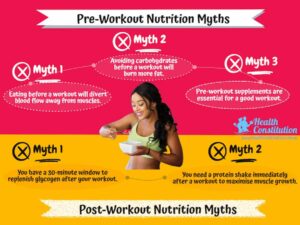
For this reason, it’s recommended that you consume a combination of carbs and protein as soon as possible after exercising. In the past, experts recommended eating your post-workout meal within 45 minutes, as a delay of carb consumption by as little as 2 hours after a workout may lead to as much as 50% lower rates of glycogen synthesis. After your workout, your body tries to rebuild its glycogen stores as well as repair and regrow those muscle proteins.
COMPLETE MEAL REPLACEMENT SHAKE
Learn how carbohydrate, protein, and fluid intake support recovery, performance, and consistency for serious lifters and physique athletes. If you train fasted, such as right when you wake up, Echols recommends eating right away after your workout. If you have eaten sometime before your workout, such as an afternoon or evening workout, she recommends refueling within 1 to 2 hours after strength training or 30–60 minutes after endurance or HIIT. If you’re a runner or regularly perform endurance workouts, carbohydrate —and protein-rich meals can help support recovery. The best post-workout fuel depends on your goals and the type of training you’re doing.
- The recommended dosage of 2-5 mg/kg aligns with existing literature, emphasizing the importance of optimal caffeine intake for maximizing benefits.
- Lots of sports drinks, energy bars, and protein shakes have hidden ingredients that aren’t helpful in the recovery process.
- The benefits encompass a good supply of glycogen, a reduction in cortisol, and assistance in preparing muscle enzymes for faster recovery (192, 193).
- For anyone interested in the more minutia detail of protein consumption, you could calculate this dose to make it more approximate to your weight.
- Vitamins are categorized based on their solubility, with A, D, E, and K being fat-soluble, and B and C being water-soluble.
- In the assessment of dietary protein quality, attention is often directed toward the indispensable amino acid composition offered by the protein source concerning human nutritional requirements.
The beverage hydration index model was introduced to evaluate the hydrating potential of a drink compared to plain water when individuals are at rest. This model operates on the assumption that a beverage inducing greater diuresis than water results in less retained available fluid in the total body water pool, reflected by a beverage hydration index below 1.0. Although a recent addition to beverage metrics, akin to the glycemic index for foods, the beverage hydration index has garnered replication by various research groups (105–107) since its inception (108). Significantly, population-specific factors like body mass and sex seem to have negligible effects, and the reproducibility of the hydration index model is reported to be robust (105).
Why is post workout nutrition important?
Amino acids are the structural https://www.uwhealth.org/news/eating-for-peak-athletic-performance constituents of proteins, providing the building blocks for all tissues. For athletes, the main purpose of consuming protein following vigorous exercise or competitions is the rebuilding and restoration involving both skeletal muscle and connective tissues (25). The amount, timing, and type of protein intake all affect the extent to which muscles remodel after training. It’s crucial to emphasize that protein is not the primary source of fuel for athletes (25). Dietitians need to consider various sport-specific factors when evaluating an athlete’s nutrition requirements and objectives. These factors include rules, arena size, competition timing, match frequency, and season length, which comprises macrocycles such as preseason, competition season, and off-season.
3. Repair
If your pre-training meal was a small one or you ate it several hours before training, then it’s probably more important for you to get that post-workout meal into your system pretty quickly. Endurance athletes who perform two glycogen-depleting sessions within eight hours of one another might be an exception to this guideline, as speed of glycogen replenishment is critical in that situation. But for most healthy exercisers, whole food with some fruit is likely a better way to go. Muscle recovery time varies depending on intensity, duration, and training status. Advanced athletes often recover faster but require active strategies to support ongoing training.
8.2. During exercise nutrition
Solid protein from whole foods is best for optimal health, but digesting the nutrients to hit your muscles takes longer. Stick to real, whole foods like fruits, vegetables, nuts, seeds, and clean, antibiotic- and hormone-free meats. Lots of sports drinks, energy bars, and protein shakes have hidden ingredients that aren’t helpful in the recovery process. They can be very deceiving since they are marketed toward athletes, yet most of them are loaded with unnecessary sugars, making them a poor option post-workout. During high-intensity workouts, your body becomes depleted of glycogen, a polysaccharide. When you eat carbohydrates, your body releases insulin, which takes glucose from the blood and stores it as energy in the cells and muscles.
Eat the Right Kind of Carbs
Just focus on consuming a balanced meal or snack within two hours or so after your workout, and make sure you’re consuming optimal protein throughout the day. Omega-3 fats can also help curb inflammation, especially when consumed regularly. Some preliminary research even suggests that omega-3 intake may help improve post-workout recovery. Just keep in mind that you may not need to add a separate source of fat to your post-workout snack or meal, since some protein-rich foods (such as nut butters or fish) contain fat already.
Your overall diet, including what you eat before a workout, affects athletic performance. And getting the proper nutrients after a workout can help you recover faster and reach your fitness goals. Combining carbs with protein enhances insulin response and nutrient uptake, helping accelerate both glycogen and protein synthesis. The ISSN recommends eating high quality proteins and carbs within 2 hours of exercising. Combinations of the foods above can create great meals that give you all the nutrients you need after exercise.